Security Research • Updated January 2025

How Thieves Steal Modern Cars Without Keys

Relay attacks and CAN bus injection let criminals steal keyless cars in under 60 seconds—while your keys sit safely inside your house. This is how it works, which vehicles are targeted, and what's actually stopping it.

Is Your Vehicle at Risk? How Prevention Actually Works
50,000+ protected vehicles
Authorized installer network
Used by collectors & enthusiasts
60
Seconds to steal
$200
Relay device cost
50ft+
Signal relay range
0
Physical keys needed

How digital immobilizers stop these attacks →

The Scenario

What Happens at 3 AM in Your Driveway

Real Footage

Security camera footage of an actual relay attack. The entire theft takes less than 60 seconds.

3:02 AM

A car slows in front of your house

Two people exit. One walks toward your front door. The other approaches your car in the driveway.

3:02:15 AM

Signal captured through your wall

The person at your door holds up a device. It amplifies the signal from your key fob sitting on the counter—30 feet away.

3:02:20 AM

Your car unlocks

The signal is relayed to the person at your car. To the car's computer, it looks like your key fob is right there.

3:02:30 AM

Engine starts. Car drives away.

No alarm. No broken glass. No evidence of forced entry. Your car is gone. Total time: 28 seconds.

This isn't theoretical. It happens every night across America.

Check if protection is available in your area

What's Actually Happening

If you own a car with keyless entry—which includes most vehicles made after 2015—there's a good chance it can be stolen without anyone touching your keys. The method is called a relay attack, and it exploits how push-to-start systems work.

Your key fob constantly broadcasts a low-power signal. When you're near your car, the car detects this signal and unlocks. When you press the start button, it verifies the key is present and starts the engine. Simple, convenient, and dangerously exploitable.

Thieves use a pair of devices—one near your house to capture the fob's signal, another near your car to rebroadcast it. To your car's computer, it looks like the key is right there. The doors unlock. The engine starts. And your car drives away while you're still asleep.

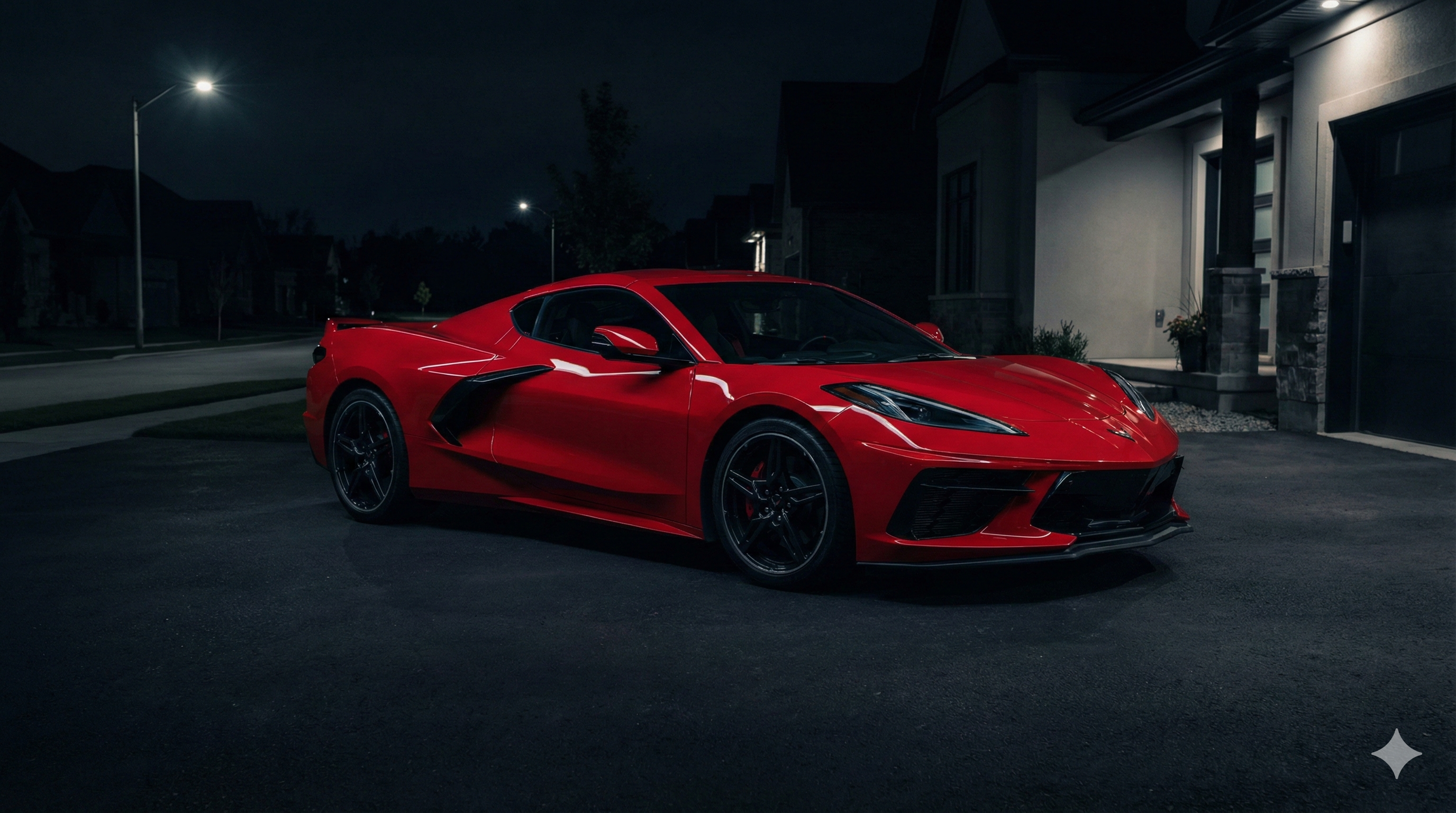
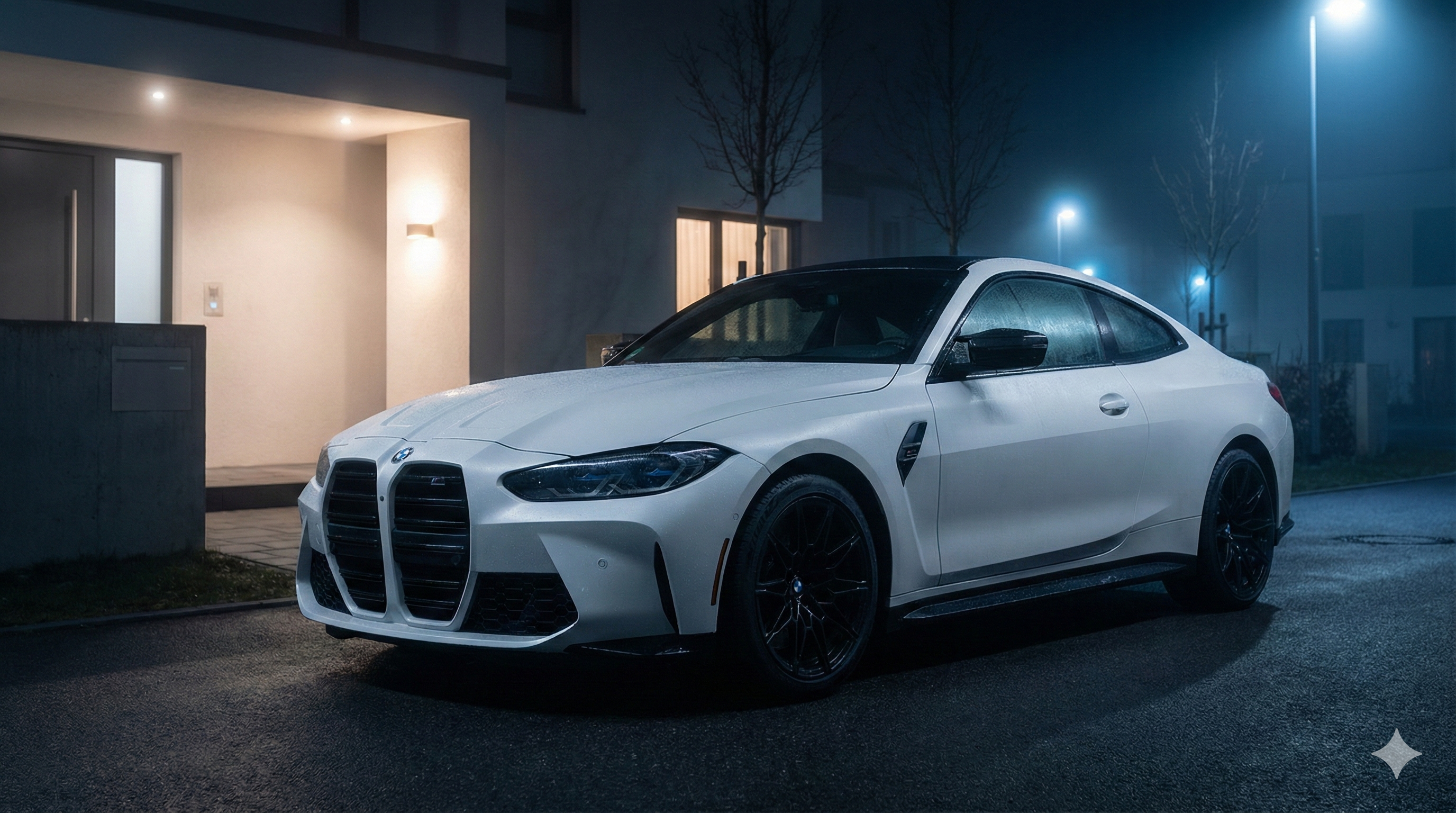
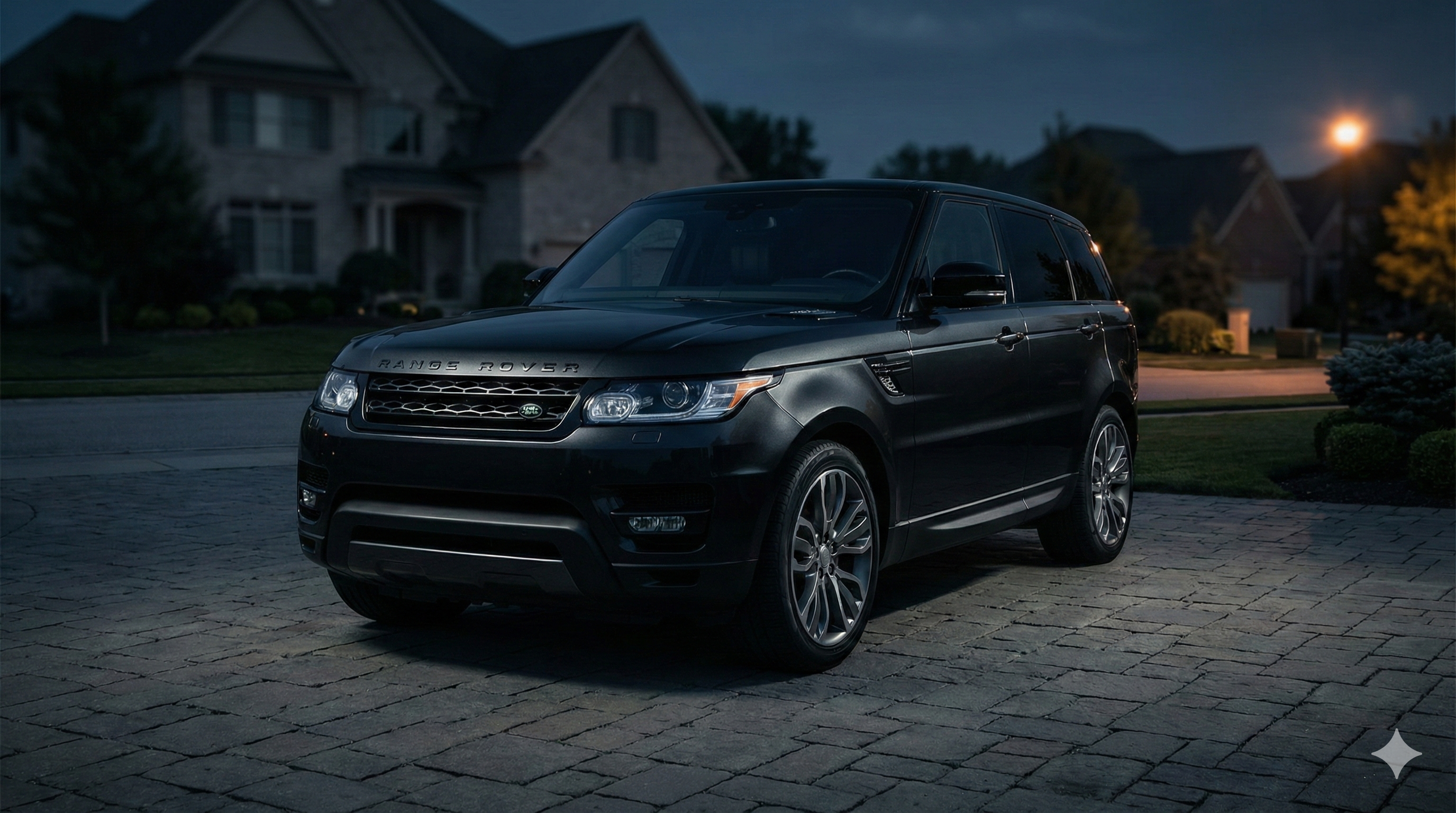
This isn't theoretical. It's happening thousands of times per year to owners of Hellcats, Corvettes, Range Rovers, BMWs, and other high-value vehicles. Police reports consistently show these thefts occurring between 2 AM and 5 AM, in residential driveways, with no signs of forced entry.

Why you probably haven't heard about this

Automakers don't advertise vulnerabilities. Insurance companies quietly pay claims. And most owners don't realize how it happened until it's too late.

The Threat

Three Ways Modern Cars Are Stolen

These techniques account for the majority of high-value vehicle thefts. None require breaking a window or hotwiring an ignition.

Relay Attacks

Thieves amplify and extend your key fob's signal from inside your house to the car in your driveway. The car detects what appears to be a valid key and unlocks.

Under 60 seconds

CAN Bus Injection

By accessing the vehicle's headlight wiring or OBD-II port, criminals inject commands directly into the car's internal network to unlock doors and start engines.

2-3 minutes

Key Programming

Using OBD-II port devices, thieves program a completely new key fob for your vehicle. The car's computer accepts it as legitimate.

Under 30 seconds

Not sure if your vehicle is vulnerable? Check your ZIP code

Technical Breakdown

How Relay Attacks Work

Push-to-start systems were designed for convenience. You walk up to your car, the door unlocks automatically. You press a button, the engine starts. No fumbling for keys.

That constant listening is the vulnerability. Your key fob broadcasts a signal even when it's sitting on your nightstand at 3 AM. Normally this signal only travels a few feet. But relay devices change the equation.

The equipment costs around $200 and is easily purchased online. No technical expertise is required. Videos demonstrating the technique have millions of views on social media.

The Attack in 4 Steps

1

Thief A stands near your front door with a signal amplifier

2

Thief B stands at your car with a transmitter

3

The signal is relayed as if the key is at the car

4

Car unlocks and starts. They drive away.

What makes this frustrating: there's no sign of forced entry. The car's security never triggers because a valid key signal was detected.

The Problem

Why Your Car's Security Doesn't Stop This

Factory anti-theft systems were designed for a different era. They protect against physical break-ins and hotwiring—not digital exploits that bypass them entirely.

Factory Alarms Don't Trigger

The car sees a valid key signal, so there's nothing to alarm about.

GPS Trackers Don't Prevent

Tracking helps locate a stolen vehicle after—if you're lucky. Many can be disabled or jammed.

Steering Wheel Locks Are Cut

Professional thieves cut through steering wheel locks in under 20 seconds.

Faraday Pouches Require Discipline

Only work if you use them every single time. One slip and you're vulnerable.

The Solution

Digital Immobilizers

The only effective countermeasure adds a security layer that the factory doesn't have: secondary authentication that prevents the engine from starting—even when the car's computer believes a valid key is present.

Blocks engine start without PIN code
Completely invisible to thieves
Works even if they have your cloned key
No signals to detect or intercept
How digital immobilizers stop these attacks

Comparison

Factory Security vs. Digital Immobilizer

What your car came with vs. what actually works

Attack Type Factory Security Digital Immobilizer
Relay Attacks Vulnerable Protected
CAN Bus Injection Vulnerable Protected
Key Cloning Vulnerable Protected
OBD Port Exploitation Vulnerable Protected
Physical Break-in Partial Protected

Learn exactly how digital immobilizers work →

High Risk

Most Frequently Targeted Vehicles

These models appear disproportionately in theft statistics. If you own one, you're already on someone's radar.
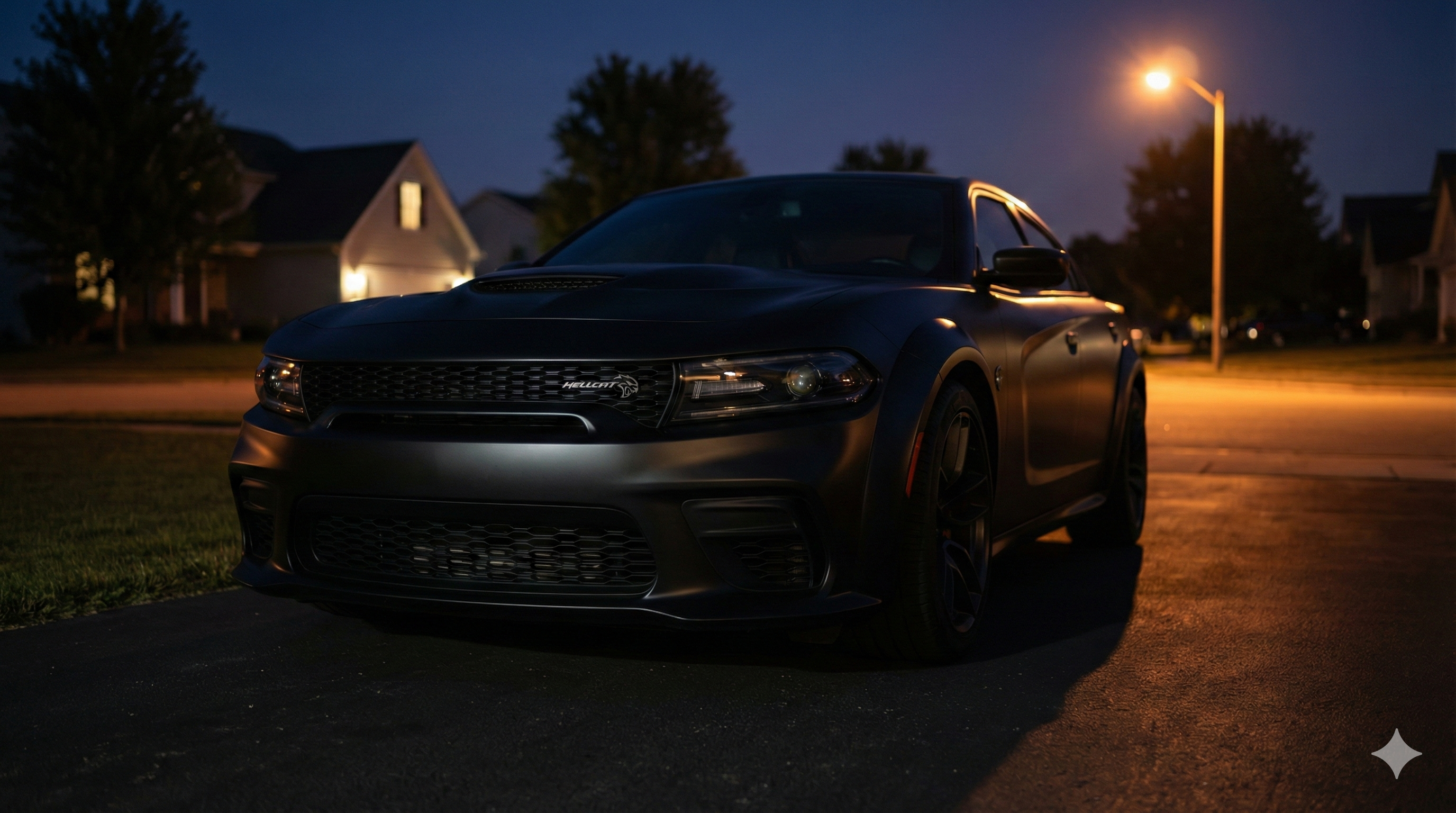
Don't see your vehicle? Check availability anyway — most keyless vehicles are compatible.

FAQ

Common Questions

Can't I just put my keys in a Faraday pouch?
Faraday pouches block the key fob's signal, which prevents relay attacks—but only if you remember to use them every time, and only if the pouch actually works (many cheap ones don't fully block signals). They also don't protect against CAN bus injection or key programming attacks. They're a reasonable temporary measure, but not a complete solution.
Why don't car manufacturers fix this?
Some are starting to. Ultra-wideband (UWB) technology can detect whether a key is actually nearby or being relayed. But retrofitting existing vehicles isn't practical, and even new systems may have their own vulnerabilities. For now, aftermarket solutions like digital immobilizers are the most effective option for owners of current vehicles.
Isn't this just fear-mongering?
The statistics are real. Certain vehicles—Hellcats, Corvettes, Range Rovers—are stolen at dramatically elevated rates using these methods. Whether it's fear-mongering depends on your risk tolerance. If you own a high-value, frequently-targeted vehicle and park it outside, you're in the risk pool. If you have a Camry in a garage, probably less so.
How much does protection cost?
Professional-grade digital immobilizers typically cost $1,200–$1,800 installed, depending on the vehicle and installer. Systems like IGLA, Ghost, and similar devices fall in this range. For context: most comprehensive insurance deductibles are $500–$1,000, and many owners of frequently-stolen vehicles pay $300–$500/month in premiums. The cost of protection is often less than a single claim's out-of-pocket expenses.
Will my insurance rate go down?
Some insurers offer discounts for anti-theft devices, but policies vary. Even without a formal discount, preventing a theft claim protects your driving record and avoids the hassle of finding a replacement vehicle at current market prices.
What's stopping thieves from removing the device?
Professional-grade digital immobilizers are installed in hidden locations without any visible indicators. There are no LEDs, no keypads, no wiring visible under the dash. Thieves scanning for security systems find nothing. Even if they knew it was there, removing it requires knowing where it is and having tools—time they don't have in a residential driveway at 3 AM.

What Owners Say

Peace of Mind, Finally

"After my neighbor's Hellcat got stolen from his driveway, I didn't wait. Had a digital immobilizer installed the next week. Worth every penny for the peace of mind."

MT
Mike T.
Hellcat Owner, Dallas

"UK insurance wouldn't cover my Range Rover without an immobilizer. IGLA met their requirements and actually reduced my premium. Simple process."

JR
James R.
Range Rover Sport, London

"I was skeptical about adding aftermarket security to my C8. The installer explained everything—totally invisible, no warranty issues, and my Corvette is actually protected now."

DL
David L.
C8 Corvette Owner, Miami
50,000+ installations worldwide Authorized installer network Lifetime hardware warranty

Protection

Check Installation Availability

Digital immobilizers require professional installation. Enter your ZIP code to see if an authorized installer serves your area.

Typical installed cost: $1,200–$1,800 • Professional installation only